
Understanding PTSD
“No matter how your body and brain responded, what happened wasn’t your fault.
If you fought with everything you had but were still overpowered, that’s not your fault.
If you tried to run away but couldn’t, that’s not your fault.
If fighting or fleeing didn’t seem like safe options, that’s not your fault.
If your automatic survival response was to comply and attempt to please, that’s not your fault.”
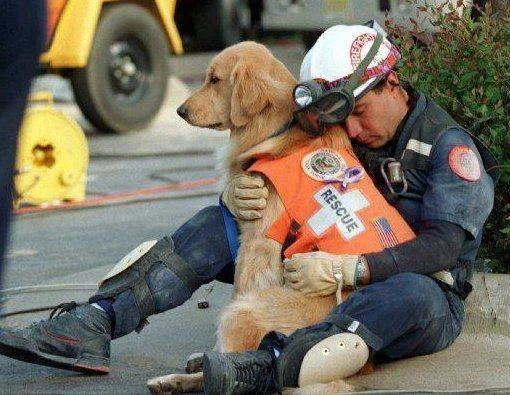
Sometimes the mind and body continue protecting us long after the original danger has passed.
Post-Traumatic Stress Disorder (PTSD) can develop after a person experiences or witnesses events that feel overwhelming, frightening, life-threatening, or deeply distressing. While many people gradually recover from traumatic experiences, others continue to experience effects that remain present long after the event itself has ended.
One of the most important insights from modern trauma research is that PTSD can be understood through the lens of survival. During dangerous or overwhelming situations, the mind and body work together to help a person respond to circumstances that may threaten safety and well-being. These responses are powerful, adaptive, and deeply rooted in human survival.
For some people, these protective responses continue even when the original danger is no longer present. The nervous system may remain highly alert. Certain situations, sounds, smells, thoughts, emotions, or memories may trigger reactions that feel immediate and intense. Sleep may become more difficult. Concentration may require greater effort. A person may feel watchful, emotionally overwhelmed, disconnected, or pulled back toward experiences they would prefer to leave behind.
Understanding PTSD through this perspective often creates a more compassionate view of these experiences. Many researchers describe these responses as the continuation of survival strategies that once served an important purpose. The mind and body learned that danger was possible, and now continue working hard to provide protection.
Researchers such as Stephen Porges, Rachel Yehuda, Kerry Ressler, and others have helped expand our understanding of the biological and neurological aspects of trauma. Their work suggests that PTSD involves changes in the way the brain, body, and nervous system respond to cues related to safety and danger. These responses are often automatic, occurring far more quickly than conscious thought.
PTSD can affect many areas of life. Relationships, work, education, physical health, recreation, and daily routines may all be influenced. Some people find themselves withdrawing from activities they once enjoyed. Others devote considerable energy to monitoring their surroundings, anticipating possible threats, or avoiding reminders of painful experiences. Every person's experience is unique, and PTSD can appear differently from one individual to another.
Researchers and clinicians have also observed that trauma can affect a person's sense of trust, connection, and meaning. Jonathan Shay's work with military veterans highlighted the importance of understanding experiences involving betrayal, moral injury, and disruptions in trust. Trauma sometimes affects more than a person's sense of safety; it can also influence how a person understands themselves, other people, and the world around them.
The study of PTSD has expanded significantly over the past several decades. Researchers, including Edna Foa, Patricia Resick, Marylene Cloitre, John Briere, Daniel Siegel, and many others, have contributed to treatment approaches that help people better understand trauma, process difficult experiences, strengthen coping resources, and restore a greater sense of safety and connection.
As understanding grows, many people begin to recognize that PTSD reflects the ongoing influence of experiences that mattered deeply and required significant adaptation. With support, understanding, and time, people often discover new ways of relating to their experiences while continuing to move forward with their lives.
PTSD may be one chapter in a person's story, yet it is never the entire story. Alongside the effects of trauma, there are often strengths, relationships, values, hopes, abilities, and qualities that continue to deserve attention. Healing frequently involves reconnecting with these important parts of oneself while honoring the experiences that shaped the journey.
My hope is that understanding PTSD can foster greater self-compassion and reduce the sense of isolation that many people experience. While the effects of trauma can feel overwhelming, many individuals discover that healing, growth, resilience, and meaningful connection remain possible.
Further Reading and Research
The ideas presented on this page were informed by the work of researchers, clinicians, and theorists who have contributed to our understanding of PTSD, trauma recovery, resilience, prevention, and survivor support.
Stephen W. Porges
Developer of Polyvagal Theory. His work explores how the nervous system responds to experiences of safety, danger, and connection, helping to explain many physiological aspects of trauma and recovery.
Edna B. Foa
A leading researcher in PTSD treatment and developer of Prolonged Exposure Therapy. Her work has helped advance effective interventions for trauma survivors.
John Briere
Psychologist known for his work on complex trauma, trauma assessment, survivor advocacy, and trauma-informed treatment approaches.
Daniel J. Siegel
Psychiatrist and founder of Interpersonal Neurobiology. His work emphasizes the importance of relationships, integration, and emotional regulation in healing and development.
Jonathan Shay
Psychiatrist and clinician-scholar whose work on moral injury, military trauma, institutional responsibility, and recovery has expanded understanding of the social and ethical dimensions of trauma.
Martin H. Teicher
Researcher known for his work on the neurodevelopmental effects of childhood abuse, neglect, and adversity, emphasizing the importance of prevention and protection.
Kerry J. Ressler
Psychiatrist and neuroscientist whose research focuses on fear, resilience, PTSD, and the biological mechanisms involved in trauma responses.
Rachel Yehuda
A pioneering trauma researcher whose work has expanded understanding of the biological effects of trauma, resilience, and intergenerational influences.
Marylene Cloitre
Researcher and clinician recognized for her contributions to the understanding and treatment of Complex PTSD and trauma-related disorders.
Judith Herman
Author of *Trauma and Recovery* and a pioneer in the study of trauma, recovery, safety, and reconnection.
Bessel van der Kolk
Researcher and author whose work has highlighted the effects of trauma on the body, brain, and nervous system.
Patricia A. Resick
Developer of Cognitive Processing Therapy (CPT), an evidence-based treatment for PTSD.
Selected References
Briere, J., & Scott, C. (2015). Principles of Trauma Therapy: A Guide to Symptoms, Evaluation, and Treatment (DSM-5 Update) (2nd ed.). Sage Publications.
Cloitre, M., Courtois, C. A., Charuvastra, A., Carapezza, R., Stolbach, B. C., & Green, B. L. (2011). Treatment of complex PTSD: results of the ISTSS expert clinician survey on best practices. Journal of Traumatic Stress.
Foa, E. B., Hembree, E. A., Rothbaum, B. O., & Rauch, S. A. M. (2019). Prolonged exposure therapy for PTSD: Emotional processing of traumatic experiences: Therapist guide (2nd ed.). Oxford University Press.
Resick, P. A., Monson, C. M., & Chard, K. M. (2017). Cognitive processing therapy for PTSD: A comprehensive manual. The Guilford Press.
Shay, J. (1994). Achilles in Vietnam: Combat trauma and the undoing of character. Atheneum Publishers/Macmillan Publishing Co.
Siegel, D. J. (2012). The Developing Mind (2nd ed.). Guilford Press.
Teicher, M. H., & Samson, J. A. (2016). Annual Research Review: Enduring neurobiological effects of childhood abuse and neglect. Journal of Child Psychology.
van der Kolk, B. A. (2014). The body keeps the score: Brain, mind, and body in the healing of trauma. Viking.
Yehuda, R., Hoge, C., Mcfarlane, A., Vermetten, E., Lanius, R., Nievergelt, C., Hobfoll, S., Koenen, K., Neylan, T., Hyman, S. (2015). Post-Traumatic Stress Disorder. Nature Reviews Disease Primers 1(1)
Contemporary research in PTSD, trauma recovery, resilience, moral injury, neurobiology, attachment, and trauma-informed care.